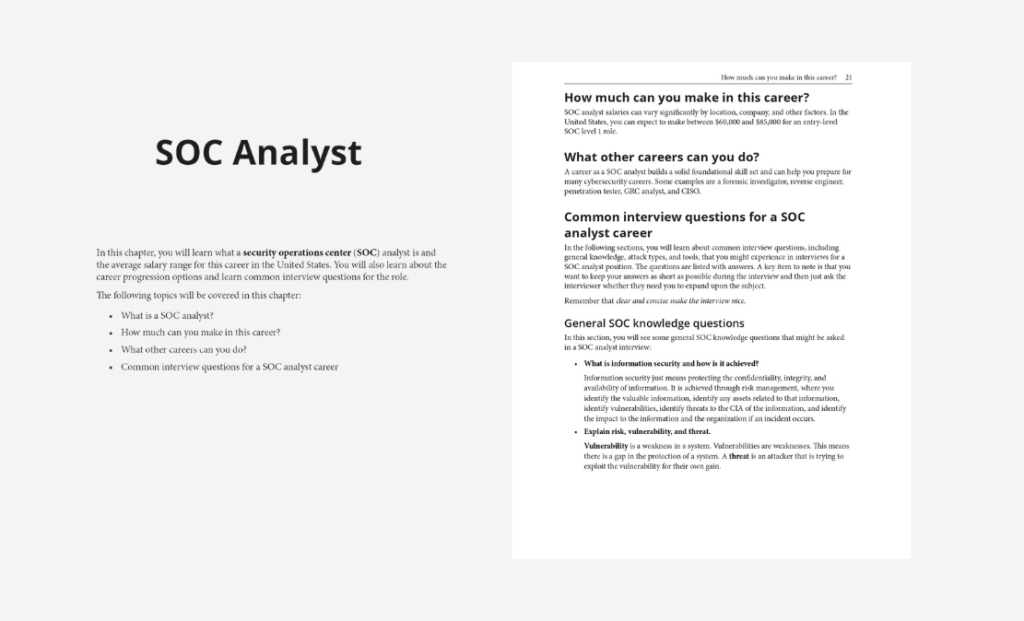
A Free Guide to Threat Detection, Incident Response & SOC Tools
Introduction
In today’s threat-saturated digital world, Security Operations Center (SOC) analysts are the frontline defenders against cyberattacks. But mastering the blend of technical skills, threat intelligence, and incident response workflows required for the role can feel overwhelming. Enter the SOC Analyst PDF—a concise, 23-page guide packed with actionable insights to sharpen your skills and thrive in a SOC environment.
Why This Guide?
- Zero Fluff: Covers only what matters—threat detection, SIEM, incident response, and vulnerability management.
- Career-Ready: Tailored for aspiring analysts and professionals seeking to upskill.
- Free & Practical: Real-world examples and tool breakdowns you can apply immediately.
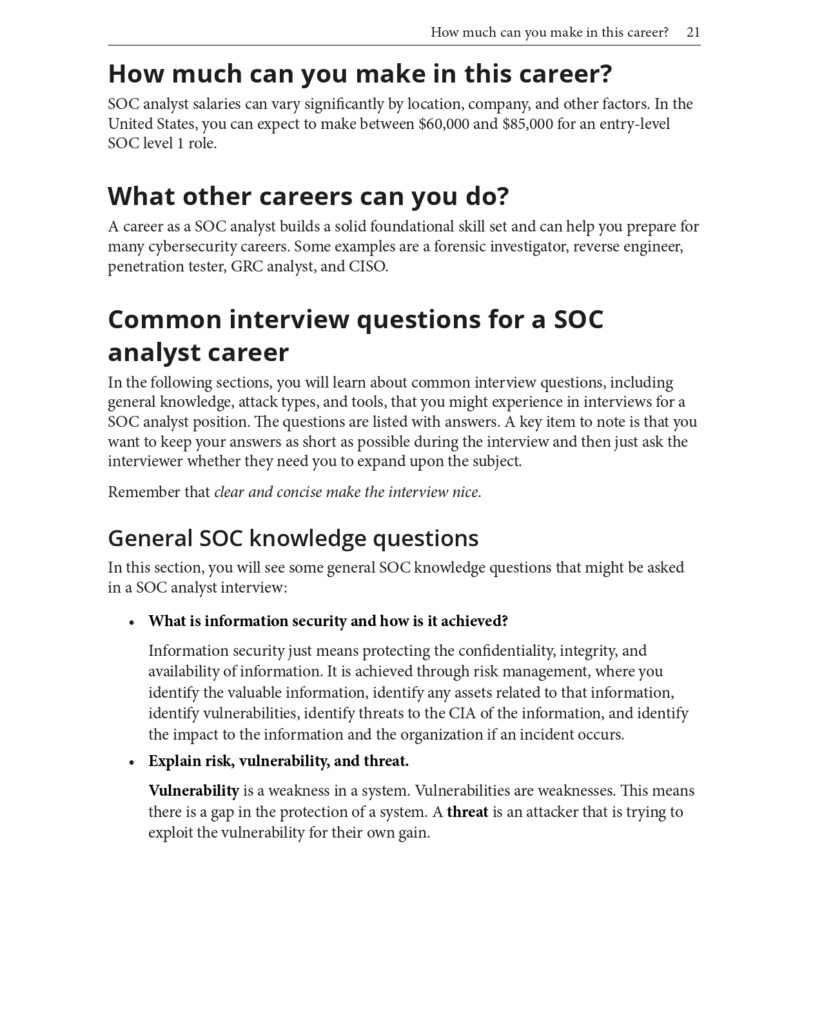
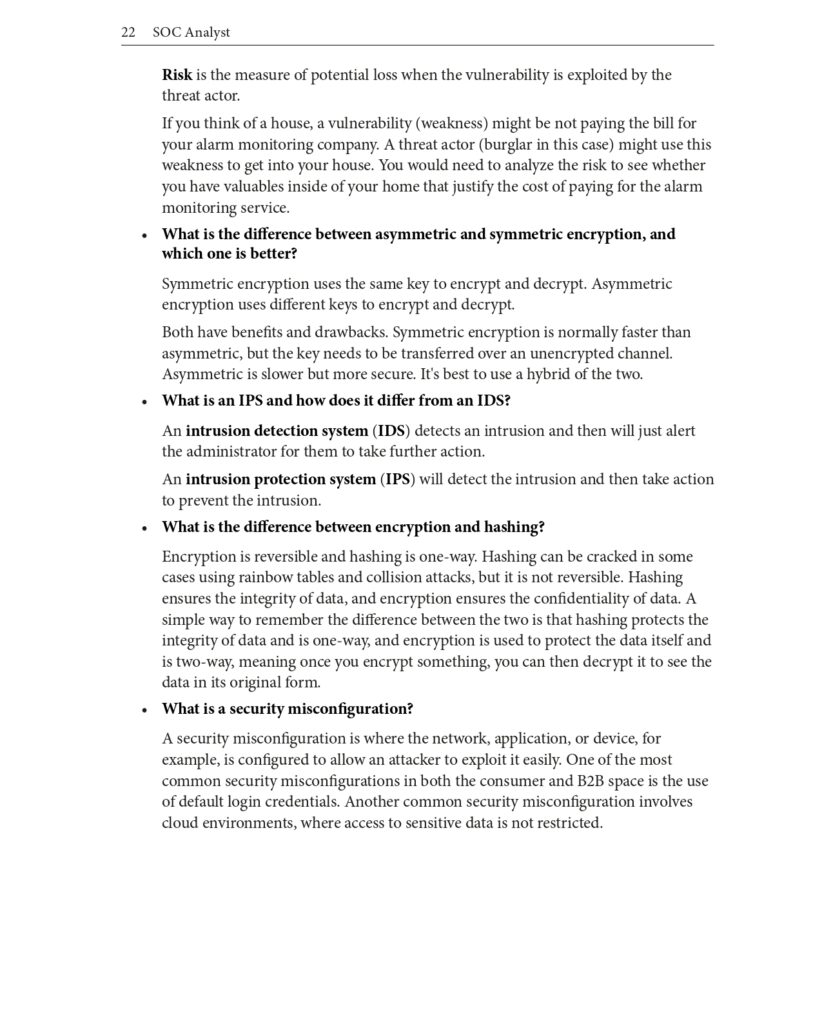
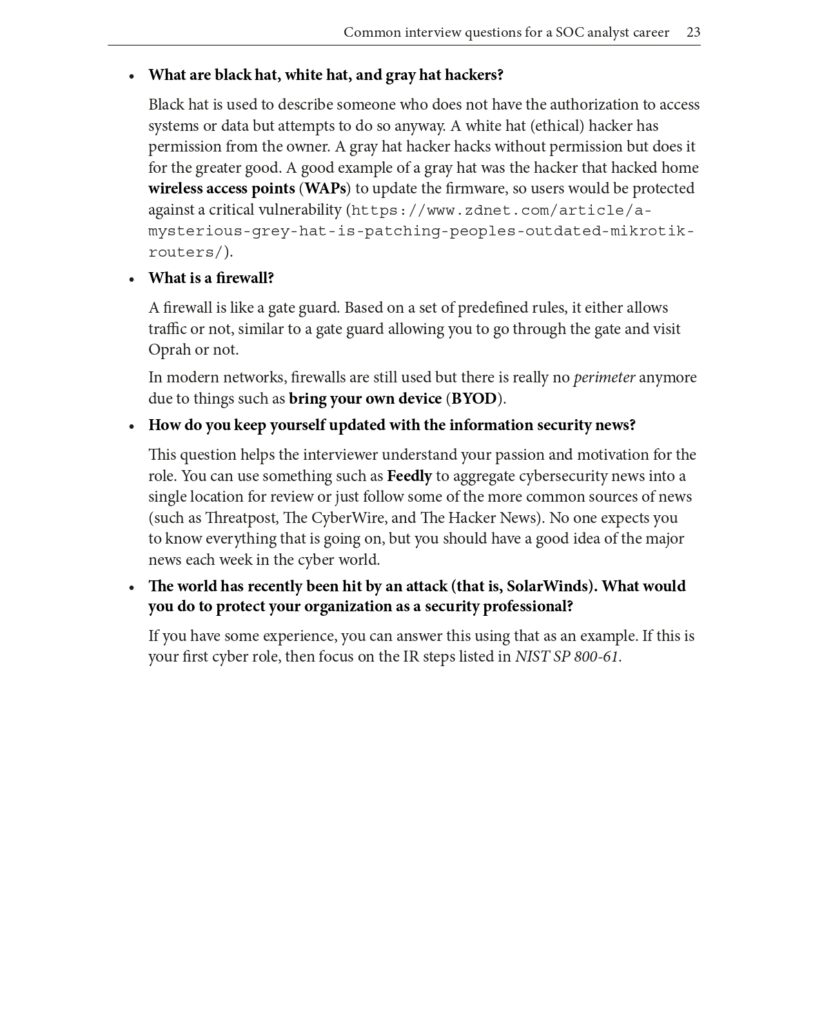
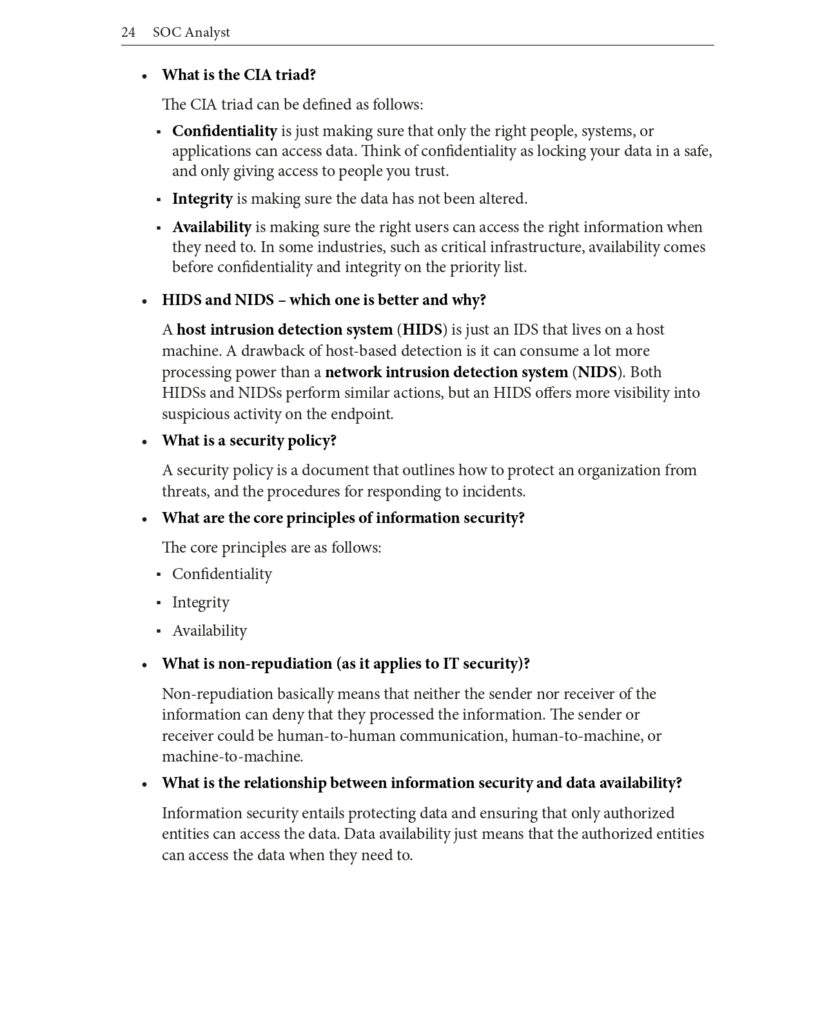
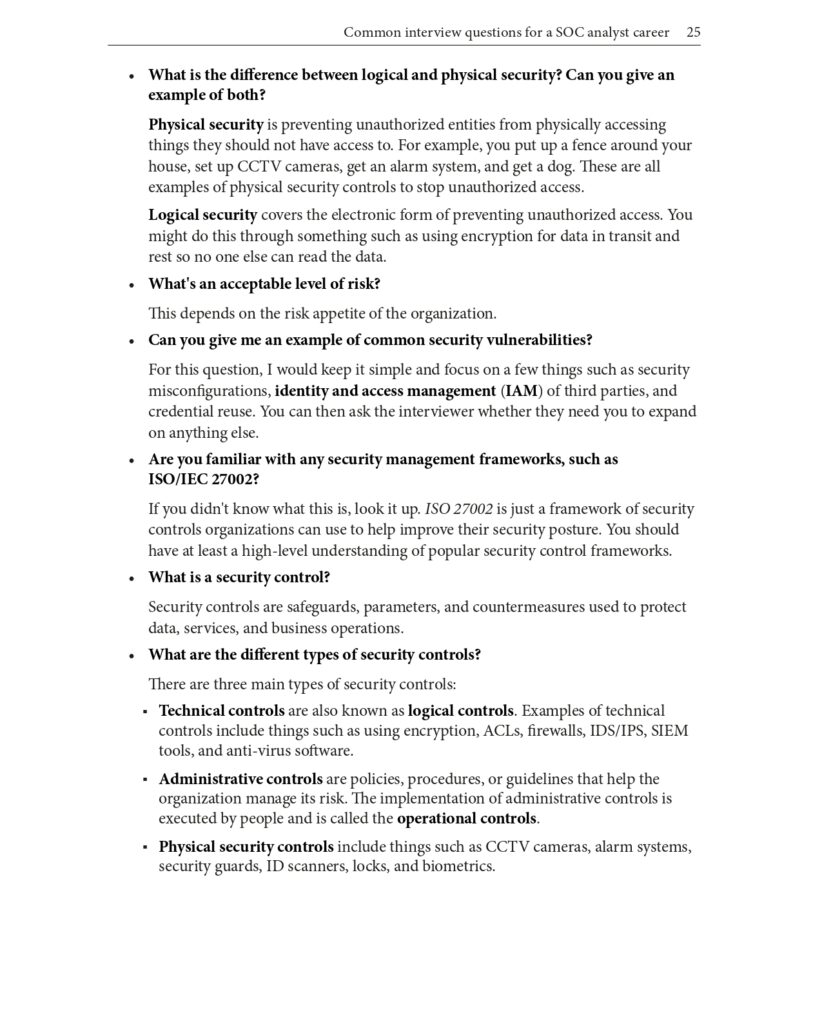
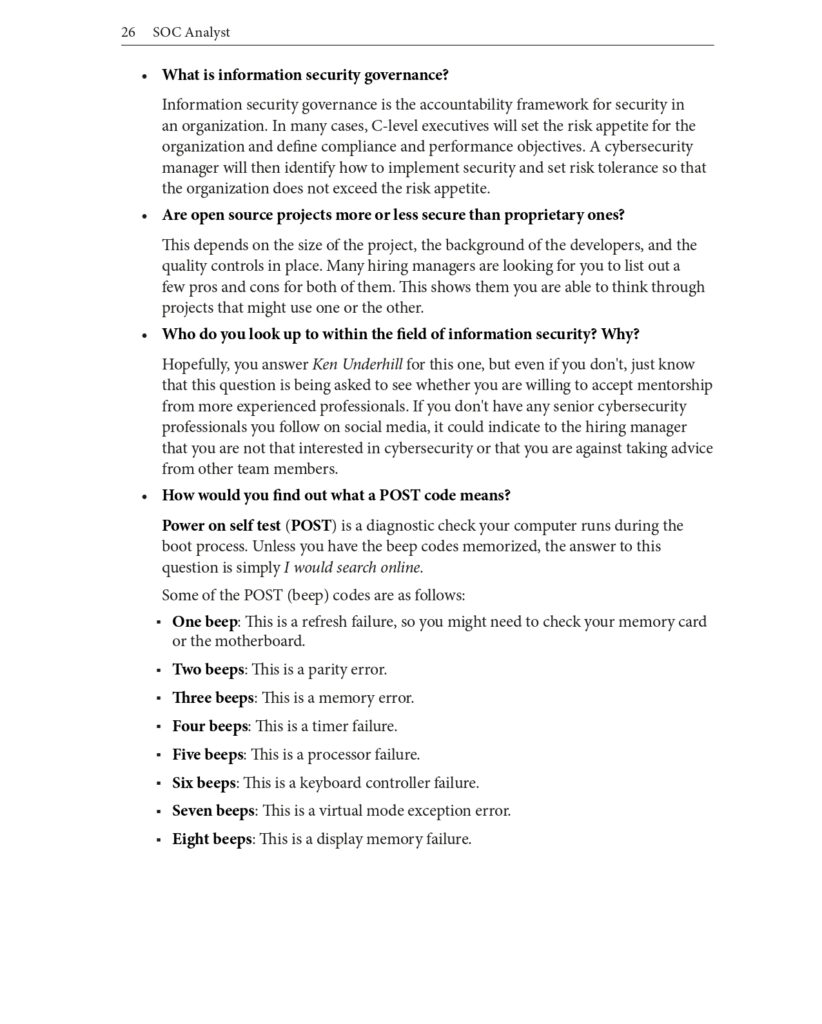
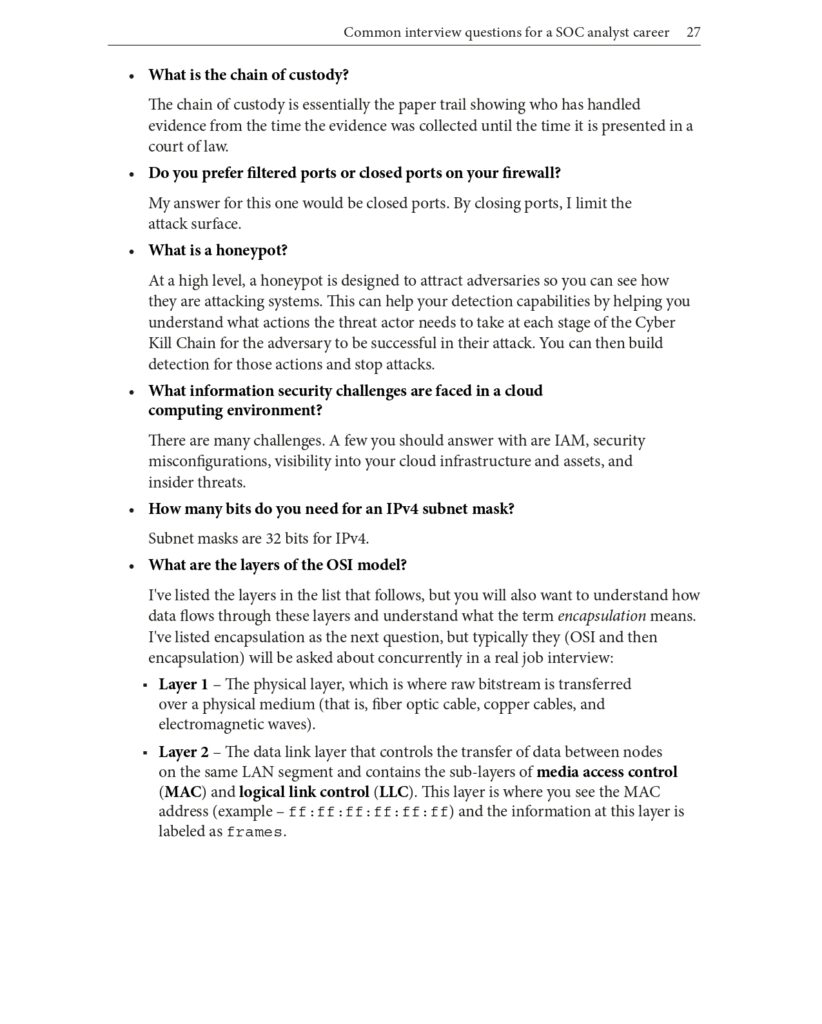
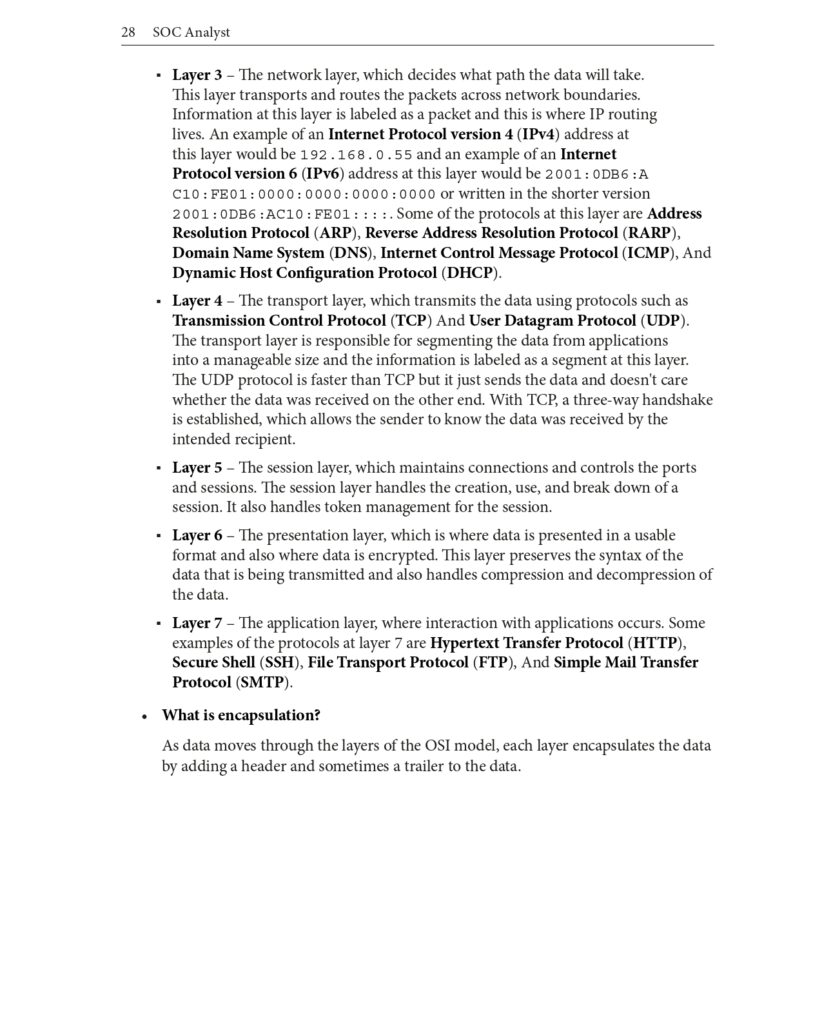
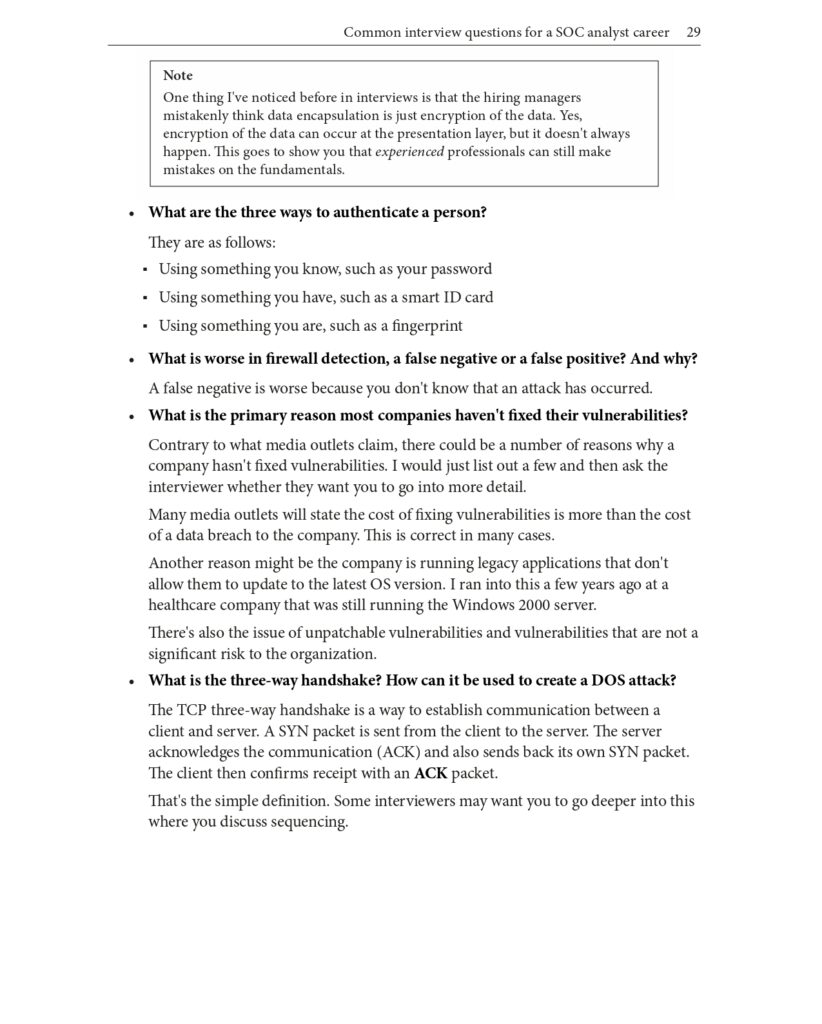
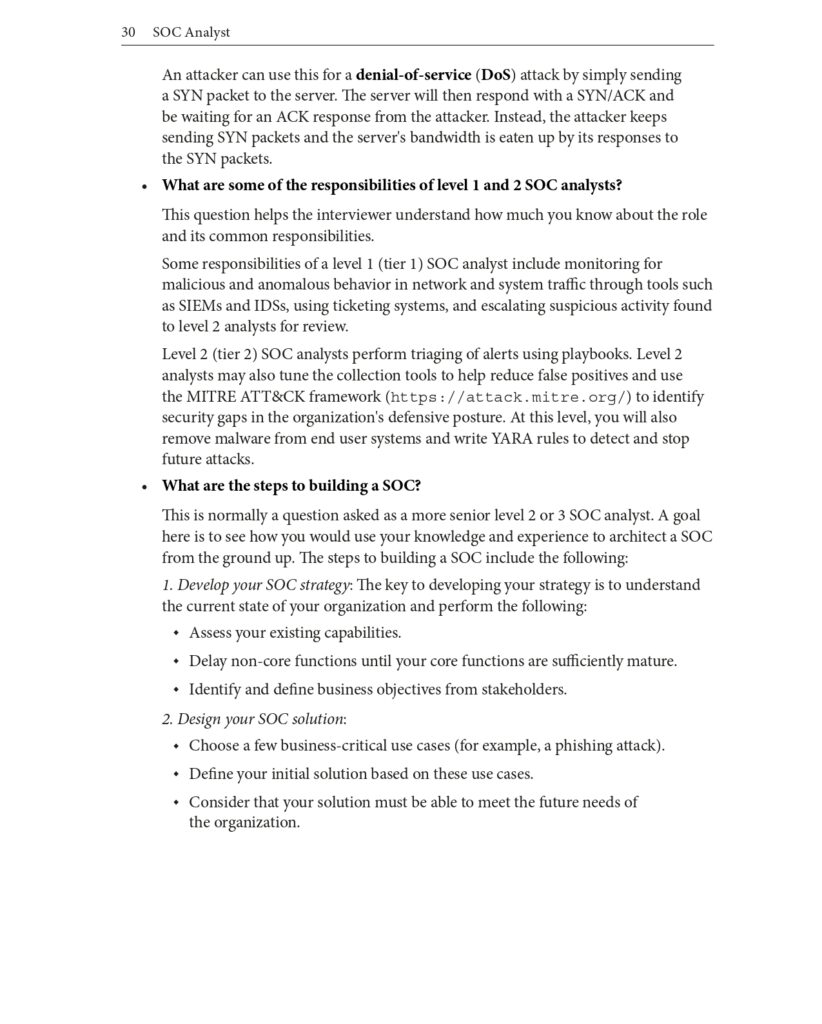
What’s Inside?
The 23-page guide is structured into 6 core sections, each critical for SOC success:
1. SOC Analyst 101: Roles & Responsibilities
- Daily workflows, key duties, and collaboration with IR teams.
- Real-World Example: How analysts triage alerts during a ransomware incident.
2. Cybersecurity Fundamentals
- CIA Triad (Confidentiality, Integrity, Availability).
- Common attack vectors: phishing, malware, DDoS, insider threats.
3. Incident Response & Handling
- Step-by-step playbook: Detection → Containment → Eradication → Recovery.
- Pro Tip: Use the NIST Incident Response Framework for structured workflows.
4. Threat Intelligence & SIEM Mastery
- Leveraging threat feeds (e.g., MITRE ATT&CK) to prioritize alerts.
- SIEM basics: Query writing, log correlation, and dashboards (Splunk, ELK).
5. Vulnerability Management
- Scanning tools (Nessus, OpenVAS), CVSS scoring, and patch prioritization.
6. Essential SOC Tools & Technologies
- EDR (CrowdStrike, SentinelOne), IDS/IPS (Snort, Suricata), and network traffic analysis (Wireshark).
Key Skills You’ll Gain
- Threat Hunting: Proactively identify adversaries using behavioral analytics.
- Log Analysis: Decode Windows Event Logs, firewall traffic, and DNS queries.
- Incident Documentation: Write clear reports for stakeholders and audits.
- Tool Proficiency: Master Splunk queries, YARA rules, and phishing analysis.
Who Should Use This Guide?
- Aspiring Analysts: Break into cybersecurity with foundational SOC knowledge.
- IT Professionals: Transition to security roles with tactical skills.
- Students: Complement coursework with industry-aligned practices.
Sample Scenarios & Use Cases
- Case 1: Detecting lateral movement via anomalous SMB traffic.
- Case 2: Responding to a phishing campaign using email header analysis.
- Case 3: Prioritizing vulnerabilities in a cloud environment.
PDF
SOC Analyst PDF: Mastering Cybersecurity Operations23 pages · free · opens in a new tab
⬇ DownloadDownload Your Free SOC Analyst PDF
Ready to level up your cybersecurity game? Click below to grab your guide:
🔗 Download the SOC Analyst PDF Here
Related Free Cybersecurity Resources
- The Best SOC Analyst Tools Guide PDF
- Ultimate Guide to Security Operations Centers (SOC): Functions, Tools & Best Practices
- Cyber Security Analyst (PDF)
- Cybersecurity Roadmap for Beginners: A Comprehensive PDF Guide
- IoT CyberSecurity Framework PDF
- CISSP Exam Preparation PDF: Your Path to Success